Academic & Policy Writing

Journal Articles & Analysis

Journal Articles & Analysis

Select Analysis

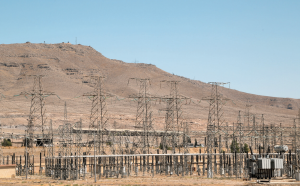
Syria’s Energy Sector and Its Impact on Stability and Regional Developments

Syria’s oil and gas fields, largely under YPG control in the east, could fund reconstruction and reshape the country’s regional standing — but only if Damascus, Washington, and Ankara can settle who controls them.

Professor Brenda Shaffer’s Atlantic Council issue brief lays out Syria’s energy potential after Assad: the prospects for restoring oil and electricity output, the roles Turkey, Qatar, and Saudi Arabia are already stepping into, and how Syria could eventually become a transit route for Israeli and Egyptian gas heading to Turkey and Europe.

She closes with four recommendations for Washington, from unlocking World Bank financing to working with Ankara on regional energy integration.
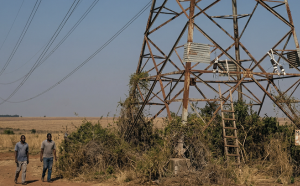
Dis-empowering Africa: How the West’s energy policies fuel poverty in Africa

Africa has the world’s lowest per capita energy use, yet the World Bank, the IEA, and the G7 are pushing it to skip fossil fuels and adopt renewable energy that cannot deliver reliable power without a stable baseload.

In this CNAPS issue brief, Brenda Shaffer argues there is no real-world precedent for “leapfrogging” straight to renewables, and that cutting off financing for African fossil fuel development is deepening the continent’s poverty rather than fighting climate change.

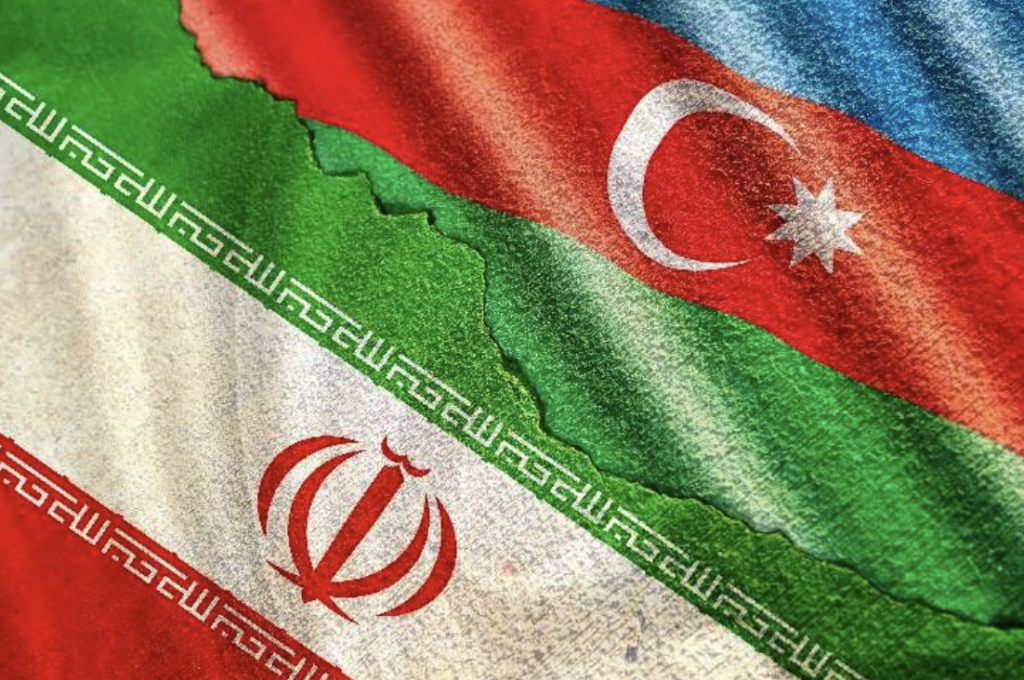
President Aliyev: Relations between Azerbaijan and Iran are at the lowest level ever

President Ilham Aliyev warns that Azerbaijan-Iran relations have hit their lowest point in history, citing what he calls state-sponsored terrorism from Tehran.

Brenda Shaffer traces the roots of this hostility, from Iran’s opposition to Azerbaijani independence in 1991 through its arms support for Armenia in the 2020 war, and examines the fallout from January 2023’s deadly attack on Azerbaijan’s embassy in Tehran.

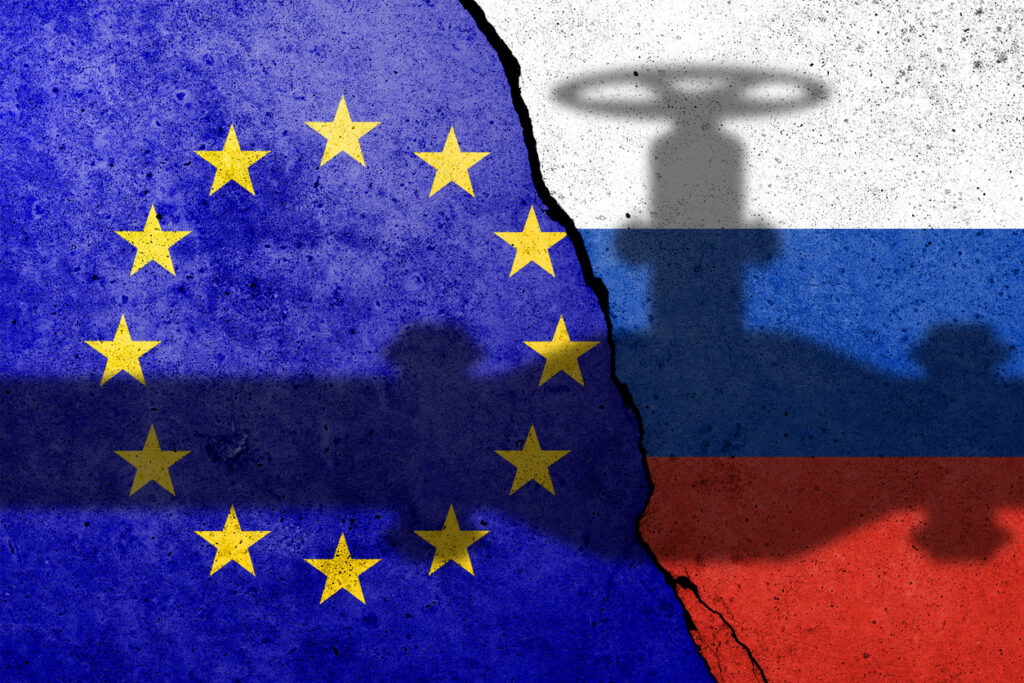
With Winter Coming, Europe Is Walking Off a Cliff

Europe’s energy crisis didn’t start with Russia’s invasion of Ukraine, it was two decades in the making.

Brenda Shaffer argues that ideologically-driven policies, phasing out nuclear and coal, banning fracking, and underinvesting in renewables, left Europe dangerously exposed even before the war began. She lays out what leaders got wrong and what it would actually take to fix it: long-term gas contracts, reversing nuclear shutdowns, and a technology-neutral energy strategy.

Israel’s Role in the Second Armenia-Azerbaijan War and Its Implications for the Future

Israel’s 25-year defense partnership with Azerbaijan proved decisive in the 2020 war with Armenia, and its implications reach far beyond the battlefield.

Brenda Shaffer examines how Azerbaijan’s innovative use of Israeli drones, integrated with Turkish systems, reshaped the conflict, helped thaw Turkey-Israel relations, and gave Israel a foothold of influence among the ethnic Azerbaijani population inside Iran.

Iran’s policy toward the Caucasus and Central Asia

Iran is often seen as an Islamic power guided by religious solidarity, but Brenda Shaffer argues its policy toward the Caucasus and Central Asia tells a different story.

With more than half its borders and a third of its population tied to these regions, Iran acts on pragmatic self-interest, not faith, as shown by its military backing of Christian Armenia over Shia Azerbaijan during the 2020 war.

She breaks down the five factors, security, ethnic unrest, Turkey and Russia, transit routes, and economics, that actually drive Tehran’s calculus.

Europe’s Tiny Steps Won’t Solve Its Energy Emergency

Europe’s energy emergency wasn’t caused by the war in Ukraine. It was decades in the making. Policymakers leaned on renewable subsidies, restricted domestic gas development, and trusted market mechanisms to manage what was really a security crisis. They also phased out nuclear power without a viable replacement. The modest steps European governments have taken so far don’t touch any of that. Energy needs to be treated as a matter of national security, not just another commodity. Until that happens, the continent will keep lurching from one crisis to the next.

How Iran’s Ethnic Divisions Are Fueling the Revolt

Iran’s non-Persian minorities, largely overlooked in Western coverage, are playing an outsized role in the protests that erupted after Mahsa Amini’s death in police custody.

Brenda Shaffer writes that security forces have killed a disproportionate number of minority protesters, including a massacre of Baluch worshippers in Zahedan, and argues these ethnic fault lines may determine how far the uprising goes.

Energy in Conflict: The Case of the 2020 Armenia-Azerbaijan War

As hybrid warfare grows more common, combatants are increasingly targeting energy infrastructure itself.

Brenda Shaffer examines how energy shaped the 2020 Armenia-Azerbaijan War: threats to the soon-to-open Southern Gas Corridor helped trigger the fighting, energy infrastructure was weaponized on both sides, and Armenia struck at Azerbaijan’s export network, offering a preview of how energy assets could become targets in future conflicts.

Putin Just Pushed the World Into an Even Bigger Energy Crisis

Russia’s invasion of Ukraine didn’t create the world’s energy problems. It made them much worse. Crude prices jumped past $105 a barrel within days of the attack. Even Russian energy exports that avoid formal sanctions will shrink, since companies tend to overcomply rather than risk US retribution or reputational damage.

The market was already tight before the war. US oil production hadn’t recovered from the pandemic, spare capacity was thin, and years of underinvestment left little room to absorb a shock. Europe made things worse on its own by ending long-term gas contracts and cutting storage requirements, handing Russia more pricing power in the process.

The fixes aren’t complicated. Ramp up US and Canadian production, build new pipelines, restore long-term contracts, mandate higher storage, and stop ruling out nuclear power.

It’s Time to Be Honest About Fossil Fuels’ Role in Energy Transition

Brenda Shaffer argues the Biden administration needs a more honest energy policy, and fast. Fuel inflation has become a political liability. Natural gas shortages are threatening heating and electricity costs at home.

Shaffer says calls on OPEC and Russia for more supply are a reactive scramble, not a strategy. The real problem is closer to home. Regulatory uncertainty and anti-fossil-fuel rhetoric have scared off investment in US oil and gas. That’s done more damage than anything OPEC has done.

She also pushes back on the renewables-versus-fossil-fuels framing. Solar and wind still need natural gas backup to keep the grid stable. Touting renewables as cost-competitive while ignoring that backup cost is misleading.

On climate, she notes Biden’s policies won’t move the needle without China and India on board. She also questions how much EVs actually cut emissions once battery manufacturing and power sources are factored in.

Is Europe’s Energy Crisis a Preview of America’s?

Brenda Shaffer says Europe’s energy crisis is mostly self-inflicted, and Washington is copying the same mistakes. Europe is facing record-high prices, tight supplies, and blackouts. It’s not simply a renewables-versus-fossil-fuels story.

Part of it comes down to market design. The EU moved from long-term fixed gas contracts to daily spot pricing. That handed Russia more leverage and left suppliers with less reason to invest in new capacity. On top of that, governments mandate renewables while also controlling prices and utilities, which blocks market signals from working the way they’re supposed to.

Grid investment lagged too, along with backup storage and maintenance for variable renewable output. Europe also passed on emerging gas sources and shut down nuclear plants, narrowing its supply options further.

Shaffer sees the same warning signs in the US: climate policy getting prioritized over energy security, constraints on domestic oil and gas, canceled pipelines, and rising electricity demand without the grid to match it.